

There’s a specific kind of tired that comes from waiting. Not waiting for a bus or a phone call, but waiting for someone, anyone, to finally show up and make the pain make sense. Waiting for the right person to say the right thing. Waiting for a sign, an apology, a rescue you can’t quite name but you’d know it if it came.
You check your phone a little too often. You replay conversations wondering if this time they’ll finally understand. Somewhere underneath it all is a quiet hope that someone else holds the key to your healing, and if you just wait a little longer, they’ll use it.
It’s an exhausting way to live, and it’s more common than most people admit.
Why We Wait for Someone Else to Fix It
Waiting for rescue usually isn’t laziness or weakness. It often comes from somewhere honest. Maybe you grew up in a home where love felt inconsistent, so you learned to hope hard for someone steady to finally arrive. Maybe someone once did show up for you in a painful moment, and part of you has been waiting for that feeling again ever since.
There’s also something deeply human about it. Needing others isn’t the problem. We’re wired for connection, and support from people who care about us matters. The issue isn’t wanting help. It’s placing your entire healing in someone else’s hands and waiting for them to move first.
Is Waiting for Someone to Save You a Bad Thing
Not inherently. Hoping someone will comfort you isn’t wrong. The trouble starts when that hope quietly turns into a requirement, when you stay stuck because the rescue hasn’t come yet. Psychologists describe a related pattern called learned helplessness, where a person facing a difficult situation eventually stops trying to change it, even once they actually have the ability to.
The pain doesn’t need to disappear before you start healing. You don’t need to wait for permission, an apology, or someone else’s timing. Healing can begin quietly, on its own, while you’re still in pain.
What Happens When the Rescue Never Comes
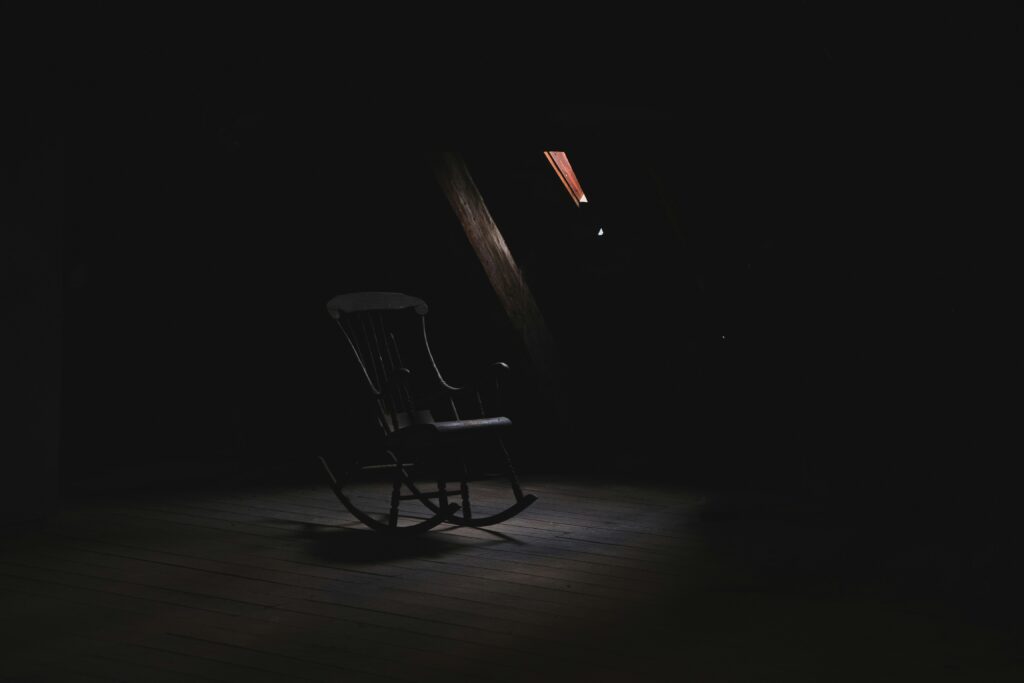
This is often the hardest part to sit with. Sometimes the person you were waiting on isn’t capable of giving you what you need. Sometimes they’ve already moved on without ever knowing you were still hoping. Sometimes the version of them who could have helped simply doesn’t exist anymore, or never did.
This isn’t meant to sound harsh. It’s meant to be honest, because false hope keeps people stuck longer than grief ever does. You can spend years waiting for closure that isn’t coming, or you can slowly start closing that chapter yourself. It’s not fair that you have to. It’s also true that you can. If old wounds keep resurfacing while you wait, it may help to look closer at why you’re still holding onto hope that has already run its course.
How Do You Start Healing When You Feel Completely Alone in It

Start smaller than feels meaningful. You don’t need a dramatic turning point. You need one honest moment where you stop checking for rescue and instead ask yourself what you actually need right now, today, regardless of whether anyone else shows up.
Sometimes that’s rest. Sometimes it’s finally saying the thing you’ve been swallowing. Sometimes it’s simply admitting the wait has been exhausting you more than the original pain did. This shift rarely feels powerful in the moment. It usually feels quiet, even a little sad, before it feels like relief.
If the emptiness underneath all this waiting has started to feel heavier than the situation itself, it might point to something worth understanding on its own, separate from whoever you were hoping would arrive.
Does This Mean You Have to Do Everything Completely Alone
No, and this distinction matters. Healing on your own terms doesn’t mean rejecting help or closing yourself off from people. It means you stop outsourcing the decision to heal to someone else’s timing. You can still lean on people, ask for support, and let others matter deeply. The difference is you’re no longer frozen, waiting for them to make the first move before you allow yourself to feel better.
In Sufi tradition, there’s a long standing emphasis on turning inward before expecting the outside world to provide peace. Not because other people don’t matter, but because that inward shift is often the very thing that finally opens you up to receiving support well, instead of desperately needing it. This is close to the idea that your own heart already knows the way forward, even when it doesn’t feel like it yet.
A Quiet Shift, Not a Dramatic One

You don’t wake up one day fully healed and done waiting forever. It’s more like a slow redirection. One day you notice you didn’t check your phone hoping for a certain name. One day you comfort yourself the way you always wished someone else would. One day you realize the wait has quietly ended, not because someone finally arrived, but because you stopped needing them to in order to move forward.
That shift is yours. No one can take credit for it but you, and no one can take it away from you either.
Frequently Asked Questions
How do I stop waiting for someone to save me from my pain?
Start by noticing the wait itself. Ask what you actually need right now instead of who you’re hoping will provide it. Healing usually begins with that small redirection, not a dramatic moment.
Is it wrong to want someone else to comfort you?
No. Wanting support is healthy and human. It only becomes a problem when your healing depends entirely on someone else showing up first.
What if the person I was waiting on never apologizes or comes back?
That’s a real possibility worth accepting honestly. You can still heal without their apology. Waiting for closure that isn’t coming often delays healing far longer than grief itself does.
Does healing alone mean I can’t ask for help?
Not at all. It means you stop freezing until help arrives. You can still lean on people while taking responsibility for your own healing.