

Nobody posts about the boring parts of healing. You won’t see a Instagram story about the Tuesday afternoon where you finally answered a text you’d been avoiding for three days, or the moment you caught yourself about to spiral and just… didn’t. Healing, the way it actually shows up in real life, is nowhere near as dramatic as the movies make it look.
There’s no single breakthrough scene where the music swells and everything clicks into place. Instead, healing is made up of a thousand small, unglamorous, almost invisible moments that nobody sees, including you, half the time. And honestly, that’s exactly why so many people feel like they’re not healing at all, even when they actually are.
The Version of Healing We Were Sold
Somewhere along the way, most of us absorbed a very specific picture of what healing is supposed to look like. A big cry that finally releases everything. A therapy session where you have a huge revelation. A moment where you forgive someone and suddenly feel lighter, like a weight physically lifted off your chest.
Those moments do happen sometimes, and when they do, they’re worth honoring. But they’re not the main event. They’re more like the occasional fireworks in a sky that’s mostly just quietly, steadily getting brighter over time. If you’re waiting for the fireworks to know you’re healing, you might miss all the small daylight happening around you.
What does real healing actually look like day to day?
Real healing mostly happens through small, repeated actions rather than dramatic breakthroughs. This includes noticing your emotional patterns, choosing rest instead of pushing through exhaustion, setting small boundaries, and slowly changing how you respond to old triggers. These quiet habits build up over time into meaningful change.

The Actual Quiet Work, Named
Let’s talk about what this invisible healing work actually looks like in practice, because once you can name it, you start noticing it happening in your own life.
Choosing rest instead of pushing through.
This one sounds so simple it’s almost embarrassing to mention. But for a lot of people, especially anyone who grew up believing their worth was tied to how much they could push through, choosing to rest instead of grinding through exhaustion is a genuinely radical act. It doesn’t look like much from the outside. You just… lay down. You cancel a plan. You go to bed early instead of proving something to yourself. Nobody claps for this. But it counts.
Noticing a pattern before it fully takes over.
Maybe you used to spiral for three days after a small conflict with someone you love. Now you notice the spiral starting after an hour, and you catch it. You don’t fully stop it yet, and that’s fine. Just noticing it earlier than you used to is the work. It’s slow, it’s quiet, and it’s real.
Saying something honest instead of staying quiet to keep the peace.
This one is hard to describe unless you’ve lived it. There’s a specific kind of exhaustion that comes from always being the one who stays calm, who doesn’t rock the boat, who swallows what they actually feel to avoid conflict. Healing often shows up as the small, shaky moment where you finally say the honest thing instead. Your voice might tremble. You might feel like you’re going to be sick. But you say it anyway.

Letting yourself feel something without immediately fixing it.
A lot of us were taught to problem solve our emotions the second they show up. Feel sad, find a reason, fix the reason, move on. Real healing often looks like the opposite. It looks like sitting with a feeling for a few minutes without rushing to explain it away or solve it. Just letting it be there, uncomfortable as that is, without treating it like an emergency that needs immediate action.
Choosing not to reach for the old coping mechanism, just this once.
Maybe your old coping mechanism was scrolling for hours to avoid a feeling, or reaching out to someone who wasn’t good for you, or staying unbelievably busy so you never had to sit still with yourself. Healing sometimes looks like noticing the urge to do that old thing, and choosing something different, even just once. You’ll probably go back to the old habit sometimes too. That doesn’t erase the moments you chose differently.
Why This Work Doesn’t Feel Like Progress
Here’s the frustrating part. Because none of these moments look impressive, it’s incredibly easy to dismiss them. You might notice yourself thinking, that’s not really healing, that’s just… a normal Tuesday. But normal Tuesdays where you handle things slightly differently than you used to are exactly what healing is made of.
Trauma and pain create patterns that live in the body and the mind, and the work of healing involves learning how those experiences shaped you, gently creating room for new responses over time. It’s often described not as fixing something broken, but as helping the parts of you that had to survive begin to feel safe again. That kind of work rarely announces itself. It just quietly accumulates, day after day, until one day you realize you’re responding to life differently than you used to.
A Sufi Perspective on Small, Repeated Acts
Sufi tradition has always understood something about the power of small, repeated actions that Western self-help culture is only recently catching up to. The daily practice of remembrance, known as dhikr, isn’t one dramatic spiritual event. It’s a quiet repetition, done again and again, that slowly shapes the heart over months and years, not overnight.
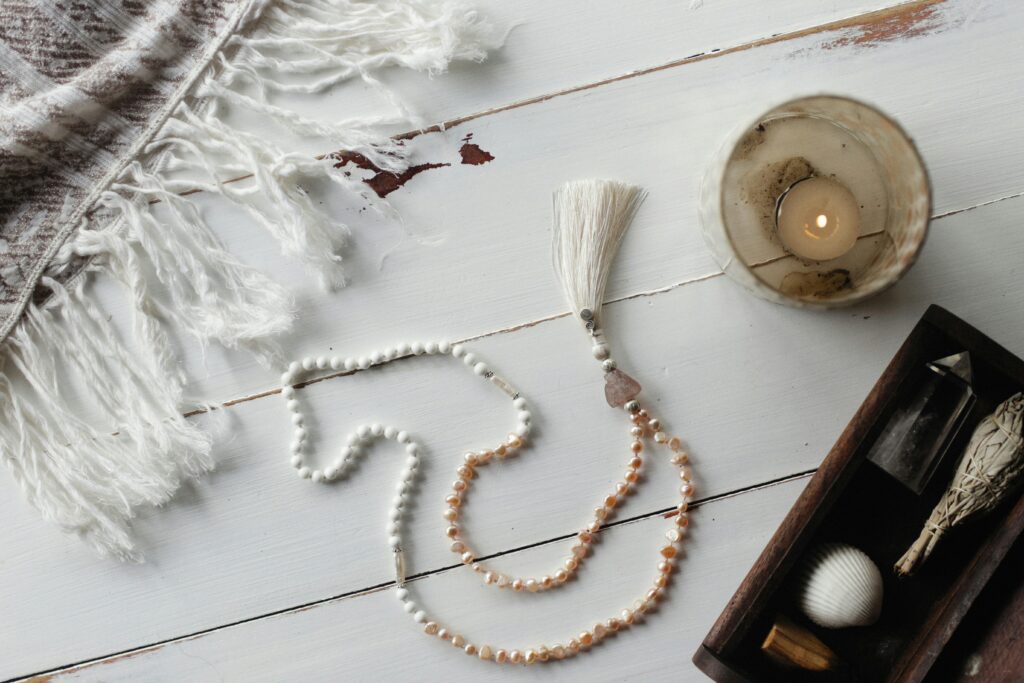
This is deeply comforting once you really sit with it. You don’t need a single massive transformation to change your life. You need small, repeated moments of choosing differently, stacked up over time until they become who you are, not just something you’re trying to do.
How to Actually Notice Your Own Quiet Healing
If you’ve been feeling stuck, wondering whether anything is really changing, try this. At the end of each day this week, write down one small moment where you handled something slightly differently than you would have a year ago. It doesn’t need to be big. It might feel almost too small to mention.
By the end of the week, you’ll likely have a list that tells a completely different story than the one your mind has been telling you. Healing rarely shouts. It whispers, quietly, in the moments you almost didn’t notice.
The Work Nobody Sees Still Counts
If your healing doesn’t look like the movies, if there was never one big breakthrough moment, if you’re mostly just quietly handling life a little differently than you used to, that’s not a lesser kind of healing. That’s real healing. That’s the only kind that actually lasts.
Nobody is going to clap when you choose rest over pushing through, or when you notice a pattern a little earlier than last time, or when you say the honest thing instead of staying quiet. But you’ll know. And slowly, over time, that quiet, unglamorous, invisible work becomes the foundation of a life that actually feels like yours again.
Frequently Asked Questions
Why doesn’t my healing feel dramatic or obvious?
Most real healing happens through small, repeated shifts rather than one dramatic moment. If your progress feels quiet and gradual, that’s actually a sign it’s genuine and lasting, not a sign it isn’t happening.
How do I know if I’m actually healing if nothing feels different?
Try tracking small daily moments where you responded differently than you would have before, even in tiny ways. These small shifts, noticed over time, usually reveal more progress than you realize.
Is it normal to still use old coping habits sometimes while healing?
Yes. Healing isn’t about eliminating old patterns overnight. It’s about slowly choosing something different more often, while still being human and occasionally falling back into familiar habits.
What is dhikr and how does it relate to healing?
Dhikr is a Sufi practice of quiet, repeated remembrance. It reflects the idea that small, consistent actions, repeated over time, gradually shape a person far more than any single dramatic event.